


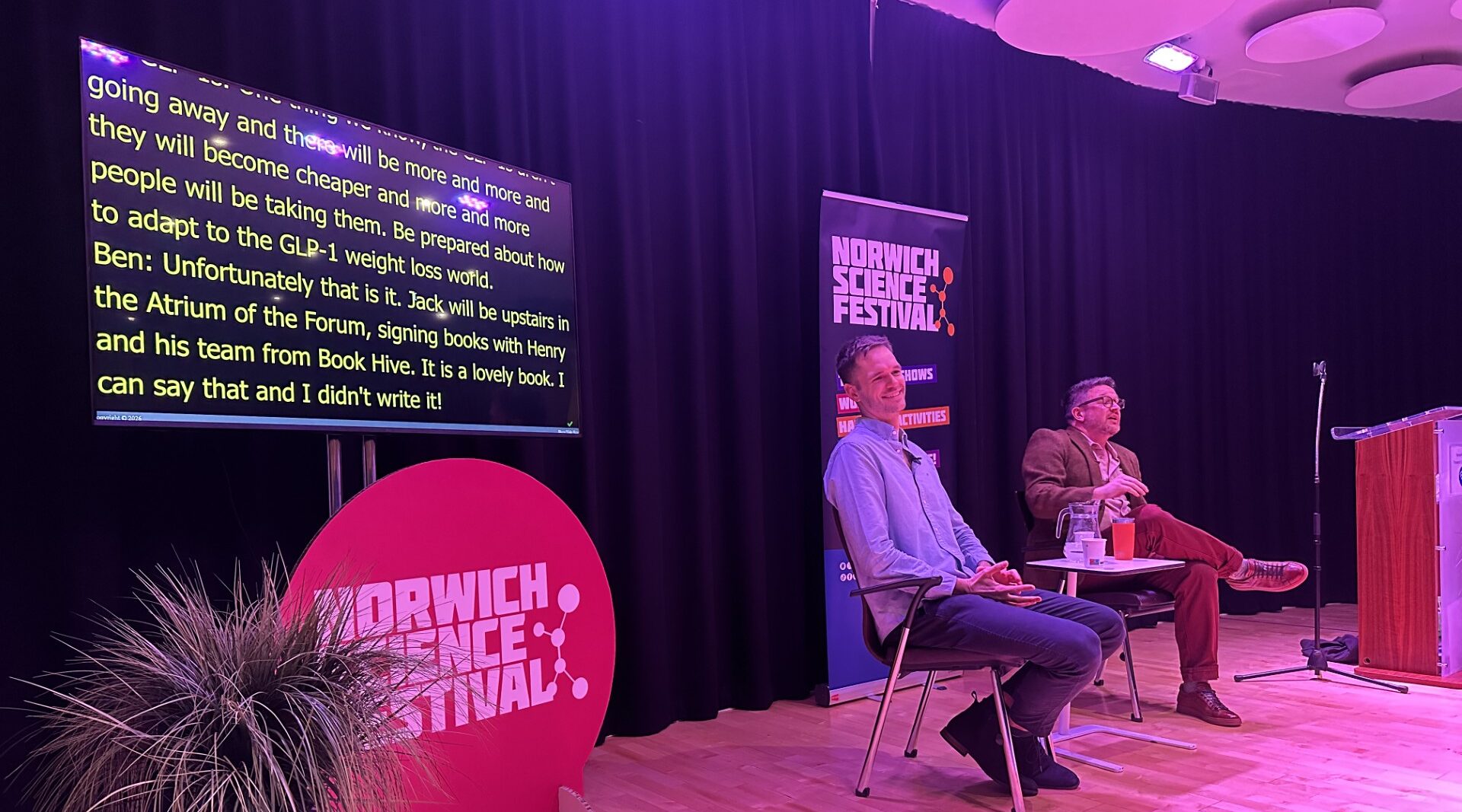
As part of Deaf Awareness Week 2026, Stagetext has released new research showing that the quality of subtitles matters, and poor subtitles can make it harder to process what’s being said for a deaf, deafened or hard of hearing viewer.
The research, carried out by Stagetext, with the support of the RNID, Arts Marketing Association and Peak Signal, shows that 85% of deaf, deafened or hard of hearing respondents say that the quality of subtitles is important to them and 63% of people questioned said that subtitles need to be as close to perfect as possible to be able to access what is being said [1].
In this survey of 94 people, they were also asked whether poor quality subtitles were better than nothing and 51% of respondents disagreed. This shows that quality subtitles matter and poor-quality subtitles may exclude the people they were meant to serve.
The study was undertaken to understand the attitudes and preferences of Stagetext’s core demographic and was targeted at deaf, deafened and hard of hearing people aged 18 and above, living in the UK.
Stagetext’s Chief Executive, Melanie Sharpe commented on the recent findings:
‘Deaf, deafened and hard of hearing people are resoundingly telling us that poor quality subtitles equals poor access and are a source of frustration for many users. What the research reveals is that quality is the most important thing for audiences and we encourage venues and organisations to consider this, when providing text-based deaf access. For some users, poor quality subtitles provide worse access than no subtitles at all.”
Nick Tedd, who is deaf and wears hearing aids, said:
“I rely on subtitles to help me better understand context and meaning, so it’s incredibly frustrating and exasperating when subtitles are slow, inconsistent or just inaccurate. When access is poor, it makes you feel very isolated and marginalized.”
The wider picture
These findings reflect a broader pattern in subtitle use across the UK. A separate research project conducted by Sapio on behalf of Stagetext, in 2021 found that 67% of the public sometimes find it difficult to hear what is happening when watching TV or live performances [2]. This suggests that the need for high-quality subtitles extends beyond those who are deaf, deafened or hard of hearing.
In another research project conducted by the Audience Agency on behalf of Stagetext in 2023, respondents were clear that subtitles had a positive impact on their experience, with 74% saying they made a positive difference and 35% of these said they made the experience a lot better [3].
Together, with this body of research, it makes a compelling case that subtitles are widespread and growing in use, but their value depends on their quality. When done well, they make a real difference.
But as the headline findings of this research show, poor quality subtitles don’t just fall short, they can actively exclude the very people they are meant to serve.
[1] Survey of 94 members of the RNID panel, conducted by Stagetext, 2025
[2] Research conducted by Sapio on behalf of Stagetext – in 2021. The survey had 2,003 people with the results weighted to be representative of the GB general population.
[3] Research conducted in 2023 by the Audience Agency, on behalf of Stagetext. The survey had over 2,400 participants, who were representative of the UK’s population.

