


We know that captions and live subtitles for arts and culture open doors, but we want you to hear just how transformative they can be, from deaf audiences themselves.
We set out to understand what text-based deaf access really means to people: how theatre captioning and live subtitles shape the experience of going to the theatre, visiting a gallery, or attending an event. We asked deaf, deafened and hard of hearing people from across the UK to share their stories.
Working with researcher Angie Aspinall, founder of #HearingLossHour and someone with lived experience of deafness, we spoke with people of different ages, backgrounds, and regions to build an honest picture.
What we found was striking. Some people had been attending captioned theatre events for years. Others had only recently discovered that text-based deaf access exists, whereas some travel hours to reach a captioned or live subtitled event. Others wish they didn’t have to.
But one thing came through every single time: when captions or live subtitles are available, people feel included. They can relax. They can enjoy the show or event like everyone else. And when captions aren’t there, they feel shut out from something they love.
Here’s what they told us.
Discovering Captioned Theatre Performances
For many people, finding out that captioned shows exist changes everything. Here’s what that moment meant to them:
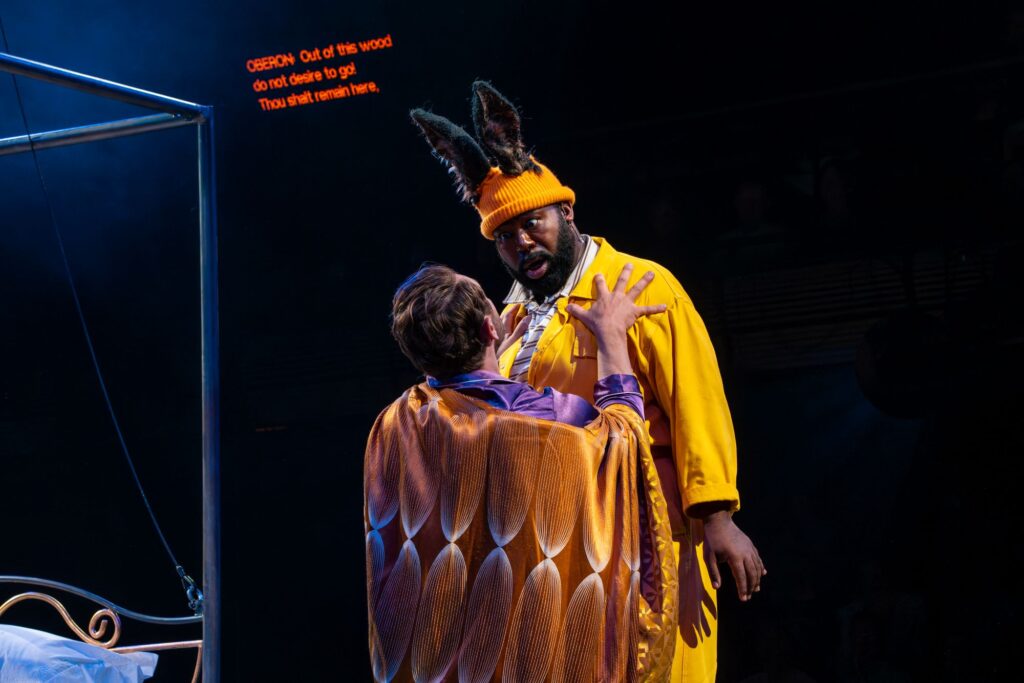
“I thought it was too good to be true. I was really shocked to see it, because growing up, all my life , I haven’t been able to go to the theatre.”
— Aliya, Birmingham
“It made a huge difference. I was never able to enjoy it previously and, it was a huge relief. I can finally enjoy it properly.”
— Jeremy, Hertfordshire
“When I experienced Stagetext live for the first time, it was a revelation. I was amazed how word-perfect the actors were in relation to the text. It was so much better having the words in time with the speech, rather than with the delay I’m used to on live TV.”
— Marie, Scottish Borders
“I was a bit shocked and thought it felt so fascinating and very useful and effective because it also helped people who had hearing issues to be able to read and understand what is actually going on.”
— Wayne, Scotland
“I grew up in school always going to the theatres and I wasn’t really bothered by them. I didn’t understand what was going on so I’d just read instead. When there were captions, it was nice to watch the show and read the captions and from there, I was really interested in watching lots more shows ever since.”
— Deidre, Midlands
With Captions vs Without Captions
We asked people what it’s like attending an event with captions or live subtitles compared to without them. Here’s what they told us:
“It may not seem much to others, but captions are more than just words. Captions connect me to the magical world of the arts in a way no other medium can. Through captions the stage is brought alive and transports me to another world. Quite simply captions are life changing! Try it, you have nothing to lose but everything to gain!”
Michelle, Northumberland
“Having captioning makes it pretty much a full experience. It’s like going as a hearing person and getting all of it.”
— Annie, Scottish Borders

“On a scale of one to ten, I would give ten for captioning. I have to follow the whole scenario from A to Z. If there are no captions, I would give it a zero.”
— Wayne, Scotland
“Without captioning, I’m on edge and have a heightened awareness of everything as I try not to miss anything that’s said. With captioning, I can relax and enjoy the performance like everyone else because I know I won’t miss a thing.”
— Marie, Scottish Borders
“Without the subtitles, a lot of it would be meaningless. At least they’ve recognised that there are some of us deaf people who would miss out if we didn’t have that.”
— Jo, South West England
“Amazing. I love it. I just feel so included, part of the event. I don’t feel left out. I’m not struggling.”
— Aliya, Birmingham
“My experience is actually quite life changing. Events with captioning make it feel quite easy to go to and makes me go along with what is going on.”
— Joshua, North West England
Feeling Included
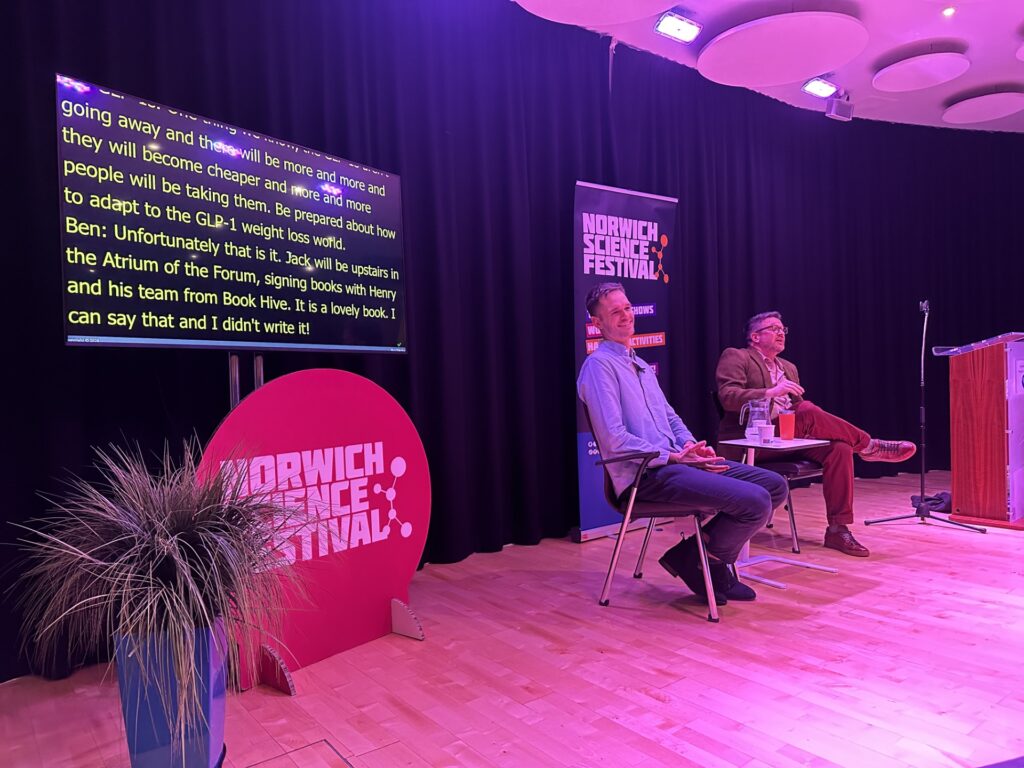
Text-based access isn’t just about deaf, deafened or hard of hearing audiences being able to follow the words. It’s about being part of the experience at the same time as everyone else. Whether that’s laughing at a joke at the right moment, feeling the emotion alongside everyone else, and not having to miss out on anything while everyone around you enjoys the performance or event.
“It’s really lovely. I feel part of something. We’re all here because of the captions.”
— Aliya, Birmingham
“As profoundly deaf in my left ear and severely deaf in my right, you learn to adapt and avoid situations which are too difficult, for example, noisy restaurants, meetings and shows. Your world shrinks. By having the [Mayor of Colchester’s] inauguration live subtitled, it’s not only providing deaf access for myself, but also highlights how easy it is to be inclusive.”
– Former Mayor Lesley Scott-Boutell, Colchester
“The live subtitles there for backup was really helpful and they were so accurate. I’m glad they included audience contributions as well. “
– Audience member at a comedy show
“What’s important is that the captions are sufficiently simultaneous; that you’re reading what everybody else is hearing at that time because, if not, everybody laughs at a joke and what happens is, the audience laughs, you don’t.”
— Annie, Scottish Borders
“We had several people with hearing impairments in the room who benefited from the captions (live subtitles). We also had quite a few non-native speakers of English (myself included) who also benefited from the captions in different ways: I really find that the captions help me focus, and that they ‘anchor’ what is being said, as well as help with absorbing and memorising the information.”
– Attendee of a live subtitled Talk, Nottingham
“The Estate, NT at Home last night was fab. I was in awe of how well you’d subtitled the Punjabi music lyrics in particular- spot on and with such care and precision to these precious timeless cultural tunes.”
– Sehr, CEO S&S
“Did not miss a word of guided tour of Kentish Town Lock. Thanks to @Stagetext accurate live captioning (subtitles). Fascinating.”
– Attendee, Kentish Town Lock Open Day, North West London
“I feel included. I feel very relaxed. I really enjoy it. Makes a massive difference… just being able to enjoy it like everybody else.”
— Jeremy, Hertfordshire
When Theatre Captions Aren’t Available
Without theatre captions, many people simply don’t go to the theatre. Others have tried and found the experience frustrating or isolating. Several people told us they’d stopped attending events altogether before discovering captioned performances.
“No. 100%, I will not go. I wouldn’t even think about going. It would just be too upsetting. I can’t access it. Other people can.”
— Aliya, Birmingham
“There are many, many people with hearing loss who feel cut off from the Arts. People with hearing loss often isolate themselves because of communication difficulties and fear of embarrassment.”
— Marie, Scottish Borders
“No. I would be bored and not take notice of anything. I do not pay to be bored.”
— Deidre, Midlands
“His daughter is taking him out to see a comedy show and I’m going to miss out because I won’t be able to follow it. There is no point going to be sitting there wondering what has been said.”
— Jo, South West England
“If captioning doesn’t work or something is billed as subtitled and it isn’t, it is not just the disappointment, it points up that you have a condition that means you can’t join in things and I kind of have enough of that in my day-to-day life.”
— Annie, Scottish Borders
Going the Distance
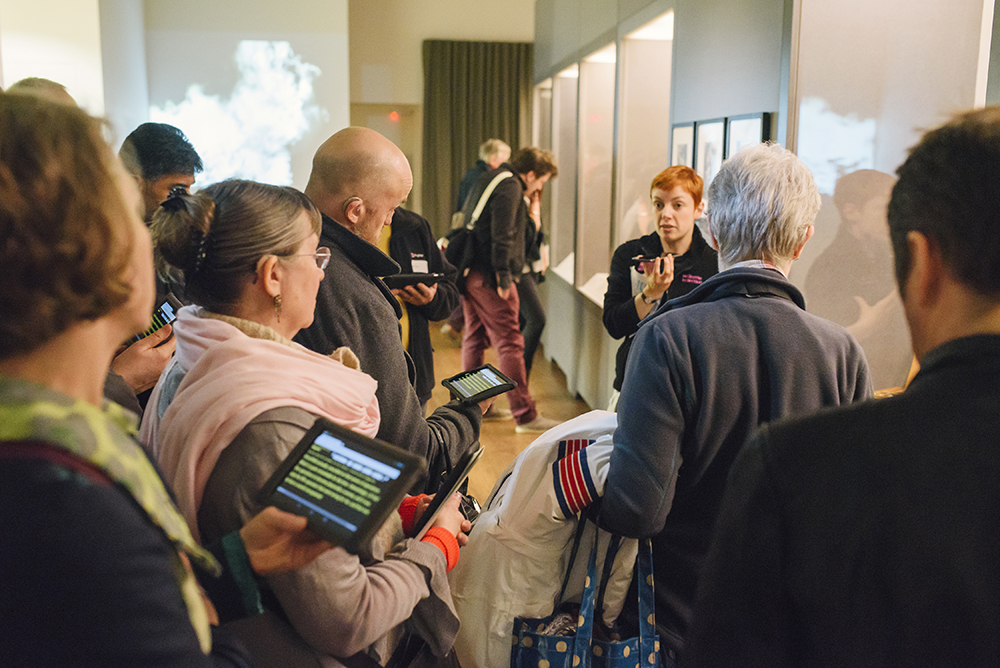
Currently captioned and live subtitled performances and events aren’t available everywhere, so many people travel long distances just to access the arts. People told us about journeys across the country, the cost of travel on top of tickets, and the wish for something closer to home.
“It is expensive because you’re not just going to the theatre, but you’re travelling to go somewhere and it is often two or three hours or four hours’ drive because my friends come from all over the country.”
— Jo, South West England
“It’s not fair to travel to London to watch a captioned performance. There needs to be more in my area.”
— Aliya, Birmingham
“I live in a remote area. So there are no captioned theatres around me, but I would really, really love to attend some close theatres that are around me.”
— Joshua, North West England
“I do go to London to watch performances in the West End and I love that, but it is quite exhausting to travel. The shows usually are during the week. So when they finish, it is about half ten and you have to make a dash to the station… I get home at about one in the morning and I wake up for work the next day.”
— Deidre, Midlands
“I’m always looking for the availability of captioning at local events or performances, but sadly haven’t found any.”
— Marie, Scottish Borders
Hopes for the Future
We asked everyone what they’d like to see change. One thing that stood out was: more captions, more often, in more places, at more convenient times – whether as theatre captions or live subtitles.
“I would love to be able to see any show that I want to see and there were captions there. I don’t have to think of a time. I would love to see captions becoming the norm everywhere we go.”
— Deidre, Midlands
“Not just one day, could you not just stay there for five days or over a week? People can pick and choose the day they can go there. That could be a great way of increasing the opportunity for us.”
— Jeremy, Hertfordshire
“I don’t really understand why more performances can’t be captioned. I don’t really see why there couldn’t be a requirement that all live events are captioned.”
— Annie, Scottish Borders
“We are actually way past that era where you watch something in theatre and you’re not going to see any captioning. So I would say they should adopt it. They should venture into it.”
— Wayne, Scotland
“Ideally, every theatre should be able to have a permanently installed captioned show. That it was always a permanent feature so you weren’t tied to going on certain nights of the week. That you could go and be like everybody else.”
— Jo, South West England
“If you provide captioning, and advertise it well, people will come.”
— Marie, Scottish Borders
A Message to Venues
Our participants had something to say directly to arts organisations and venue managers. These are the messages they want heard.
“It is just to remember why we have captioning — because accessibility is needed. It is not something to be beautified and to look pretty on the wall. It’s accessibility. It’s a need. It’s not a tick box feature.”
— Deidre, Midlands
“From a commercial point of view, they’re actually missing out on audience. It’s a two-pronged attack. One, it’s a rights issue, but the other is a commercial issue.”
— Annie, Scottish Borders
“Please bear deaf people in mind when organising the theatre showing. We also want to see the theatre and please make it accessible for deaf people, but also for all people.”
— Aliya, Birmingham
What These Stories Tell Us
These stories come from people in Birmingham and the Scottish Borders, the Midlands and the South West, Scotland and the North West of England. They come from people in their twenties and people in their sixties. People who use BSL, people who lipread, people who use hearing aids and cochlear implants.
What they all have in common is this: captioning and subtitles transform the experience of going to a live event. It turns frustration into enjoyment. It turns isolation into belonging. It means being able to laugh at the right moment, follow every word of a song, and share the experience with friends and family.
But there is still a long way to go. People are travelling hours for a single captioned performance. They’re missing shows and events they want to see because there’s no captioned or subtitled option, or the captioned performance falls on a weekday evening when it’s not convenient. They’re finding that their local venues don’t offer captioning or subtitled events at all.
For 25 years, Stagetext has been working to change this. We’re a deaf-led charity, and these are the audiences voices. We hear them, and we want you to hear them too.
Check out the range of captioned and live subtitled events happening across the UK.
Contact us
Got a question? Ask us:
If you’re a venue and want to make your events more accessible, we can help. If you’re a caption user and want to get involved, join us as an ambassador. And if these stories have moved you, please get in touch: