Contemporary AI systems like ChatGPT are remarkable. They appear to be confident, articulate experts that can turn their hand to anything we might care to ask them about. It is easy to be dazzled and to conclude that the long-held dream of truly intelligent machines is no longer a dream but a practical reality. Yet these new AI behemoths present a conundrum. While on the one hand, they truly are remarkable, they manifestly fail many of the most basic tests of rational intelligence. For one thing, they simply don’t know, and can’t tell, what is true and what isn’t. They are hopelessly inconsistent; they have no sense of their limits of their knowledge or abilities; they are comically suggestible; and they are easily steered to flights of surrealistic fantasy. AI researchers are busy inventing a completely new field of experimental AI to try to get to grips with these bizarre new artefacts. This is all the more surprising because it is so far removed from popular expectations of what AI would be like: remorselessly logical. So what are we to make of it all? How should we think about the new AI?
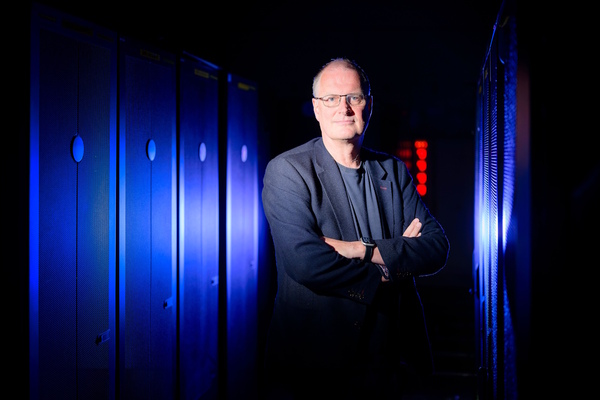
In his talk, Professor Michael John Wooldridge will look at how the new AI works and why, as a consequence, it exhibits these weird, frustrating, fascinating behaviours. He will show just how far the new AI is from classical expectations and talk about the next frontiers for AI – and how far we are from the dream.
Michael Faraday Prize Lecture: This is not the AI we were promised
 Talks
Talks
Share this


Synopsis:

Venue Details
Venue Location
The Royal Society
6-9 Carlton House Terrace
St. James's
London
Greater London
SW1Y 5AG
St. James's
London
Greater London
SW1Y 5AG

Website
royalsociety.org