The exhibition Hawaiʻi: a kingdom crossing oceans brings to light mea hulu (Hawaiian featherwork) of exceptional significance.
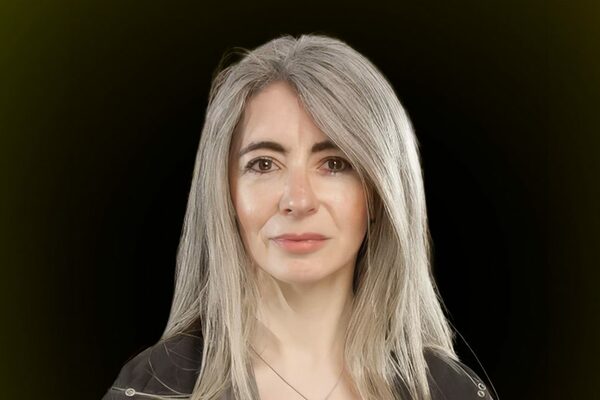
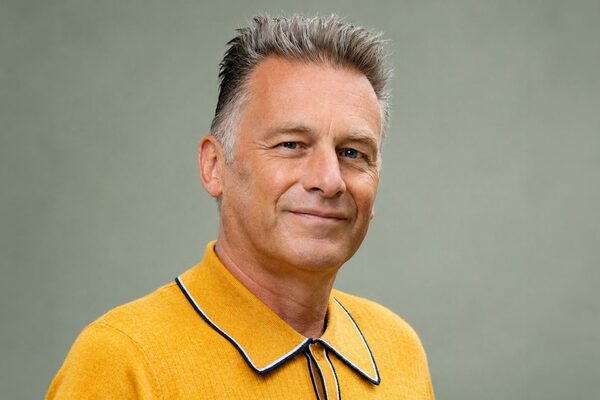
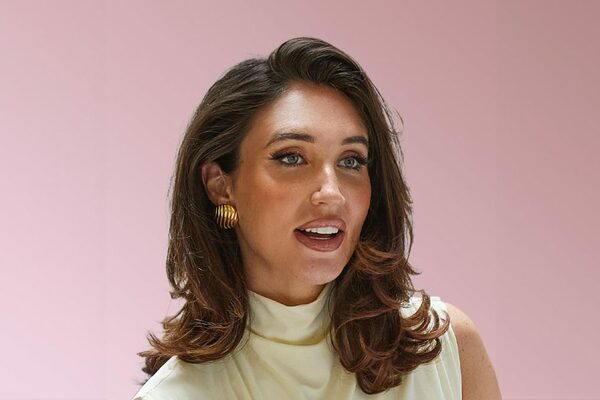
Join curator Dr Alice Christophe, conservator Nicole Rode and Kānaka ʻŌiwi (Native Hawaiian) speakers Noelle M.K.Y. Kahanu, Hattie Keonaona Hāpai and Leah Caldeira as they reflect on the process of caring for and displaying Hawaiian featherwork in this exhibition, with a specific focus on ‘ahu ‘ula (cloaks and capes) made of hundreds of thousands of feathers, largely from upland forest birds.
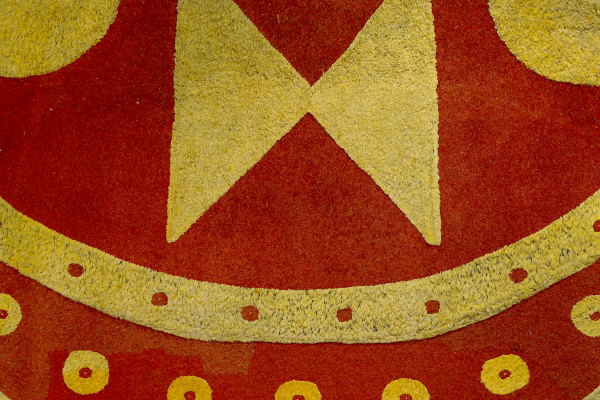
Worn by aliʻi (chiefs) in battles and in ceremonies, ‘ahu ‘ula could be passed down, gifted and transformed. Creating them would have involved multiple groups of experts including bird catchers, who collected feathers from the birds before releasing them, allowing the feathers to grow back in time for the next harvest, and featherworkers, who assembled the feathers into small bundles before fixing them to a net made of olonā fibre, a plant of the nettle family and endemic to Hawaiʻi.
Looking closely at the cultural and physical care of these important cultural works, we will reflect on the principle of shared stewardship – established to shape this exhibition with Hawaiian knowledge-bearers – and how this has supported the display of these exceptional treasures.
Photo attached, please include on the webpage: ʻAhu ʻula (feathered cloak), Hawaiʻi, likely made before 1778. Photo © 2026 The Trustees of the British Museum.
Hawaiian featherwork: stewardship and conservation
 Talks
Talks
Share this


Synopsis:

Venue Details
Venue Location
British Museum
Great Russell Street
London
Greater London
WC1B 3DG
London
Greater London
WC1B 3DG

Email
[email protected]

Website
www.britishmuseum.org

Phone
+4402073238181